Quilting is a creative and rewarding hobby that allows you to transform fabric into beautiful and functional works of art. Whether you’re drawn to the idea of making your own quilts or simply want to explore the world of sewing, choosing the right sewing machine for quilting is a crucial first step. In this step-by-step guide, we’ll walk you through the process of selecting the perfect quilting sewing machine for beginners.
1. Understand the Basics of Quilting
Before diving into sewing machine options, it’s essential to have a basic understanding of quilting. Quilting involves sewing together multiple layers of fabric to create a quilt sandwich, typically consisting of a quilt top, batting, and backing fabric. The quilting process includes various techniques, such as piecing, free-motion quilting, and appliqué. Familiarizing yourself with these techniques will help you choose a sewing machine that suits your needs.
2. Determine Your Budget
Your budget is a critical factor when selecting a sewing machine for quilting. Sewing Machine for Quilting comes in a wide range of price points, so it’s essential to establish a budget that aligns with your financial resources. While it’s tempting to invest in a high-end machine right away, beginners can find excellent options at more affordable price points. Knowing your budget will narrow down your choices and make the selection process more manageable.
3. Consider Your Sewing Goals
As a beginner, it’s helpful to define your sewing goals and expectations. Are you interested in primarily quilting or do you want a machine that can handle a variety of sewing projects? Understanding your sewing goals will help you determine the type of machine and features you require. If you’re solely focused on quilting, you may prioritize features like a wide throat space and quilting-specific presser feet.
4. Choose Between Mechanical and Computerized Machines
Sewing machines for quilting come in two primary types: mechanical and computerized. Mechanical machines have manual dials and knobs for selecting stitches and adjusting settings, making them straightforward and user-friendly. Computerized machines, on the other hand, offer advanced features, digital displays, and automated functions. Beginners often find computerized machines more intuitive and versatile, but mechanical machines can be a cost-effective option for those on a tight budget.
5. Evaluate Throat Space
Throat space refers to the distance between the needle and the machine’s body. A larger throat space is beneficial for quilting because it provides more room to maneuver and manage the fabric. As a beginner, you may not need an enormous throat space, but it’s wise to choose a machine with a reasonably sized throat space to allow for comfortable quilting.
6. Check Stitch Options
Most sewing machines come with a variety of built-in stitches, including straight stitches, zigzag stitches, and decorative stitches. As a beginner quilter, focus on machines that offer essential quilting stitches such as a straight stitch and a 1/4-inch seam allowance stitch. These are the stitches commonly used in quilting projects. Having the right stitches at your disposal simplifies the quilting process.
7. Look for Adjustable Stitch Length and Width
Adjustable stitch length and width are crucial features for quilting. They allow you to customize your stitches according to the specific requirements of your project. For instance, you may need shorter stitches for piecing quilt blocks and longer stitches for quilting the layers together. Having control over these settings gives you the flexibility to adapt to different quilting tasks.
8. Consider the Presser Feet
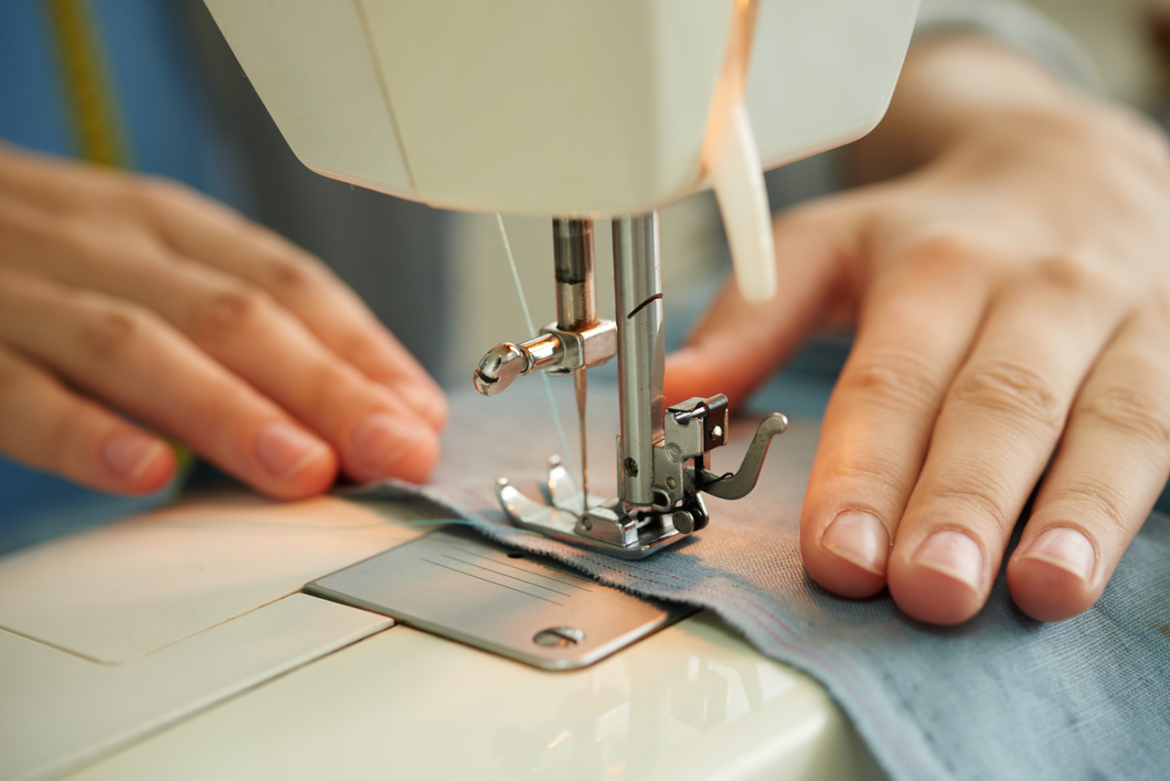
Presser feet are attachments that help control the fabric as it moves through the machine. When quilting, you’ll want a machine that comes with or allows for the addition of quilting-specific presser feet. A 1/4-inch quilting foot is essential for accurate seam allowances, while a walking foot helps feed multiple layers evenly, preventing fabric from shifting during quilting.
9. Automatic Needle Threader
Threading a needle can be a challenging and time-consuming task, especially for beginners. An automatic needle threader is a valuable feature that simplifies this process. With the press of a button, the machine guides the thread through the needle’s eye, saving you time and frustration.
10. Drop-In Bobbin System
A drop-in bobbin system is user-friendly and easy to thread. It allows you to monitor the bobbin thread supply easily. Many beginners find drop-in bobbins more convenient than front-loading or side-loading bobbin systems.
11. Consider the Weight and Portability
If you plan to attend quilting classes or sew in various locations, the weight and portability of the sewing machine are important factors. Lightweight machines with built-in handles or carrying cases are easier to transport. However, keep in mind that a heavier machine may offer more stability and fewer vibrations, which can be beneficial for quilting precision.
12. Read Reviews and Seek Recommendations
Before making your final decision, read online reviews and seek recommendations from experienced quilters and sewing enthusiasts. Hearing about others’ experiences with specific machines can provide valuable insights and help you make an informed choice.
13. Test Drive When Possible
Whenever possible, try out the sewing machine before making a purchase. Many sewing machine dealers and craft stores offer demonstrations and hands-on testing. This hands-on experience allows you to get a feel for the machine’s operation, check its ease of use, and see if it meets your expectations.
14. Consider Warranty and Customer Support
Lastly, consider the warranty and customer support offered by the manufacturer. A reliable warranty provides peace of mind in case of any issues with the machine. Also, prompt and helpful customer support can be a significant asset, especially for beginners who may have questions or encounter challenges while learning to quilt.
Conclusion
Choosing a sewing machine for quilting as a beginner is an exciting first step toward embarking on a creative and fulfilling journey. By following the step-by-step guide outlined above and carefully considering your budget, sewing goals, and the essential features you need, you can make a well-informed decision. Remember that the best sewing machine for quilting is one that aligns with your unique needs and preferences, setting you on a path to creating beautiful quilts that you’ll be proud to call your own.