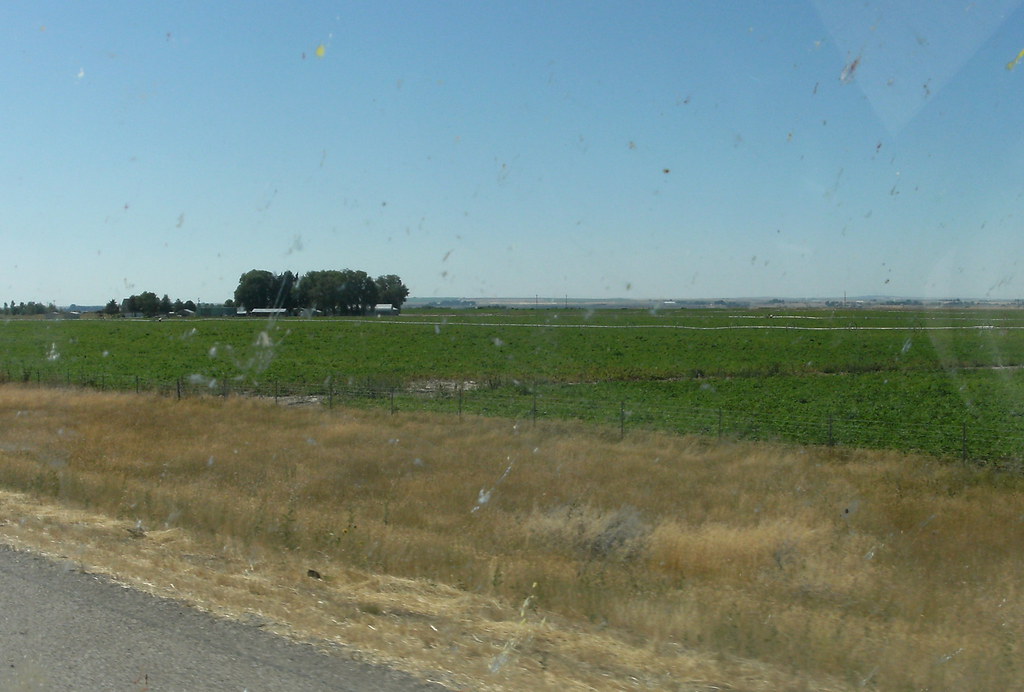
Selling land for cash can be a lucrative opportunity, but it’s not without its challenges. Land transactions come with their own unique set of complexities and potential pitfalls. To ensure a successful sale and get the best value for your property, it’s important to be aware of the common mistakes land sellers often make. In this article, we’ll explore these pitfalls and guide how to avoid them.
Neglecting Proper Valuation
One of the most significant mistakes when selling land for cash is failing to accurately assess the property’s value. Relying on guesswork or outdated information can lead to underpricing, leaving money on the table, or overpricing, deterring potential buyers. To avoid this, consult with a professional appraiser or a real estate agent who specializes in land sales. They can provide a precise valuation based on current market conditions and property-specific factors.
Inadequate Market Research
Ignoring local market trends and buyer demands is another common error. Land values can vary significantly based on location, intended use, and market conditions Land for Cash. Before listing your land, research the local real estate market to understand demand, supply, and potential future developments that may impact your property’s value. Knowing the market will help you set a competitive asking price and effectively market your land.
Poor Property Presentation
First impressions matter in real estate, and the presentation of your land can have a significant impact on its appeal to potential buyers. Neglecting proper maintenance, clearing debris, or leaving your land in a state of disrepair can deter potential buyers. Make your land as attractive as possible by tidying up, removing obstacles, and, if feasible, investing in minor improvements like grading or driveway installation to make the property accessible.
Ignoring Zoning and Regulations
Zoning regulations and land use ordinances can significantly affect the potential uses of your land. Failing to understand and communicate these restrictions to potential buyers can lead to disappointments and wasted time for all parties involved. Be transparent about zoning and land use regulations and, if applicable, highlight any flexibility or unique attributes that might appeal to certain buyers.
Ineffective Marketing
Another common mistake is inadequate or ineffective marketing efforts. Just listing your land for sale without a comprehensive marketing strategy can limit your reach and the potential to attract cash buyers. Utilize various marketing channels, such as online listings, social media platforms, and local advertising, to create a broad and appealing presence for your property. High-quality photographs and detailed descriptions can make a significant difference in generating interest.
DIY Approach
Selling land for cash can be complex, and attempting to handle the entire process yourself is a common mistake. Professional real estate expertise is valuable when navigating the intricacies of land sales. Consider working with a real estate agent who specializes in land transactions. They can guide you through pricing, marketing, negotiations, and all the legal aspects, ensuring a smoother and more successful sale.
Ignoring Cash Buyers
Cash buyers can expedite the selling process and reduce complications that may arise with financing. Neglecting this group of potential buyers is a mistake. Ensure your marketing efforts explicitly mention that you’re open to cash offers. Cash buyers may be investors looking for quick and hassle-free transactions, and targeting them can lead to a quicker sale.
Overpricing the Property
Sellers often overvalue their land due to sentimental attachment or unrealistic expectations. Overpricing can result in prolonged listing periods and reduced interest from potential buyers. To avoid this, rely on professional valuations and market research to set a competitive and attractive asking price. It’s essential to be objective about the true market value of your land.
Being Inflexible in Negotiations
While it’s crucial to have a clear understanding of your land’s worth, being inflexible during negotiations can be counterproductive. Successful negotiations require a degree of flexibility. Understand that buyers may have specific needs or constraints, and being willing to accommodate reasonable requests can make the transaction more appealing. Negotiating on price, terms, or conditions is often necessary to reach an agreement that benefits both parties.
Incomplete Documentation
Having all the necessary documents ready is vital to expedite the sale process and build trust with potential buyers. Missing or incomplete documentation can create uncertainty and lead to delays. Ensure you have documents like the deed, survey reports, title insurance, property tax records, and any relevant zoning or land use documentation readily available for review.
Failing to Consider Tax Implications
Selling land may have tax consequences that sellers sometimes overlook. Ignoring the tax implications can result in unexpected financial burdens. Consult with a tax professional or accountant to understand potential capital gains taxes and any applicable deductions. Having a clear understanding of the tax implications allows you to plan effectively and minimize your tax liability.
Impatience in the Selling Process
Selling land, especially in a competitive market, may take time. Impatience can lead to hasty decisions and accepting lower offers than you’d hoped for. It’s important to be patient and allow enough time for potential buyers to conduct due diligence and make informed decisions. Rushing the process may cost you in terms of the final selling price.
In conclusion, selling land for cash requires careful planning and execution to avoid common mistakes. These pitfalls, including neglecting proper valuation, inadequate market research, and ineffective marketing, can hinder your land sale and impact the final selling price. To maximize your success, leverage professional assistance, understand your local market, and be transparent and flexible throughout the selling process. By avoiding these mistakes, you can position yourself for a successful land sale that secures the best price for your property.