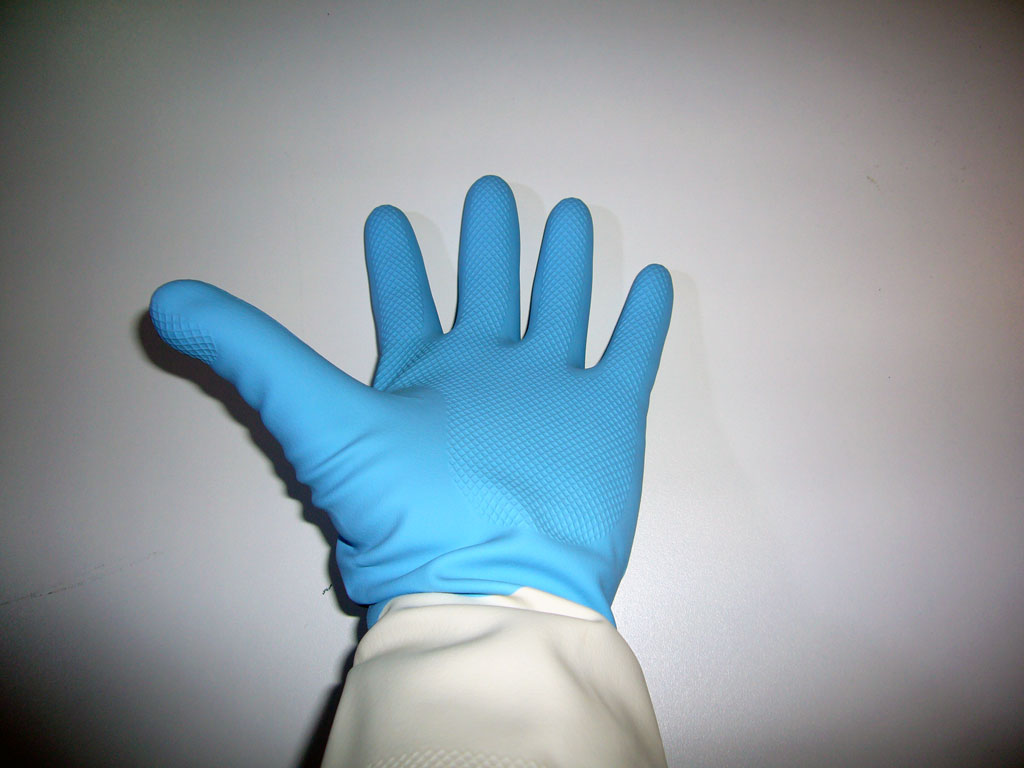
In the quest for workplace safety and hygiene, nitrile gloves have become an indispensable tool across diverse sectors. Known for their resilience, chemical resistance, and hypoallergenic properties, nitrile gloves offer enhanced protection tailored to the specific needs of various industries. This article explores the applications of nitrile gloves across different fields, highlighting their role in elevating protection and ensuring workplace safety.
What Are Nitrile Gloves?
Nitrile gloves are synthetic rubber gloves that provide a superior alternative to latex and vinyl gloves. Made from nitrile butadiene rubber, they are particularly favored for their strength, comfort, and resistance to oils and chemicals. Unlike latex Nitril Handschoenen, they do not contain proteins that can lead to allergic reactions, making them a safer choice for individuals with latex sensitivities.
Advantages of Nitrile Gloves
- Chemical Resistance: Exceptional resistance to a wide range of chemicals, including oils, acids, and solvents.
- Puncture Resistance: Higher puncture resistance than latex or vinyl gloves, offering better protection against sharp objects.
- Allergy-Safe: Free from latex proteins, hence reducing the risk of allergies.
- Durability and Flexibility: Despite their durability, nitrile gloves are flexible and comfortable, suitable for prolonged use.
Industries Benefiting from Nitrile Gloves
Healthcare
In the healthcare industry, nitrile gloves are essential for protecting medical staff and patients from cross-contamination and exposure to bloodborne pathogens. They are used extensively in surgeries, laboratory testing, and patient care.
Food Processing
Nitrile gloves meet FDA requirements for food handling, making them ideal for the food processing industry. They help prevent food contamination and protect workers from raw meats, acidic fruits, and harsh sanitizers.
Automotive
Automotive technicians rely on nitrile gloves to protect their hands from automotive fluids, greases, and oils. The gloves’ robust nature also helps in handling tools and components without slipping, thus enhancing safety and efficiency.
Manufacturing
In manufacturing, workers face exposure to a myriad of chemicals and mechanical hazards. Nitrile gloves provide the necessary barrier to keep hands safe from chemical burns, abrasions, and other industrial risks.
Janitorial and Sanitation
Cleaning staff use nitrile gloves to avoid direct contact with cleaning chemicals and maintain hygiene in various settings, including schools, offices, and hospitals.
Scientific Research
Researchers and lab technicians prefer nitrile gloves because of their excellent chemical resistance, which is crucial when handling volatile substances and conducting experiments.
Selecting the Right Nitrile Gloves
Consider the Specific Needs of Your Industry
Choosing the right nitrile gloves involves understanding the specific hazards present in your industry. Consider factors such as the type of chemicals handled, the need for tactile sensitivity, and the level of protection required against physical and chemical hazards.
Glove Thickness and Durability
Nitrile gloves come in various thicknesses, measured in mils. Thicker gloves offer more protection and are suitable for high-risk environments, while thinner gloves provide better dexterity and are ideal for precision tasks.
Sizing and Fit
Properly fitting gloves are crucial for both comfort and functionality. Gloves that fit well allow for better movement and reduce the risk of tearing during use.
Powder-Free vs. Powdered
While powdered nitrile gloves are easier to put on, especially in moist conditions, powder-free gloves are generally recommended for most industries to avoid contamination.
Maintenance and Care
Proper Usage and Replacement
To maximize their effectiveness, nitrile gloves should be used appropriately and replaced regularly, particularly when they become contaminated or compromised.
Storage Practices
Store nitrile gloves in a cool, dry environment to maintain their integrity. Avoid exposure to sunlight and extreme temperatures, which can degrade the material.
Disposal
Ensure that used nitrile gloves are disposed of properly to prevent environmental contamination and maintain hygiene standards. Follow your facility’s guidelines and local regulations for disposal.
Conclusion
Nitrile gloves are a vital component of personal protective equipment, providing robust protection across a multitude of industries. With their superior properties and wide range of applications, they help maintain high standards of hygiene and safety, ensuring that workers are shielded from various occupational hazards. By selecting the appropriate type of nitrile gloves and adhering to best practices for their use and care, industries can significantly enhance their protective measures and ensure a safer working environment for everyone.