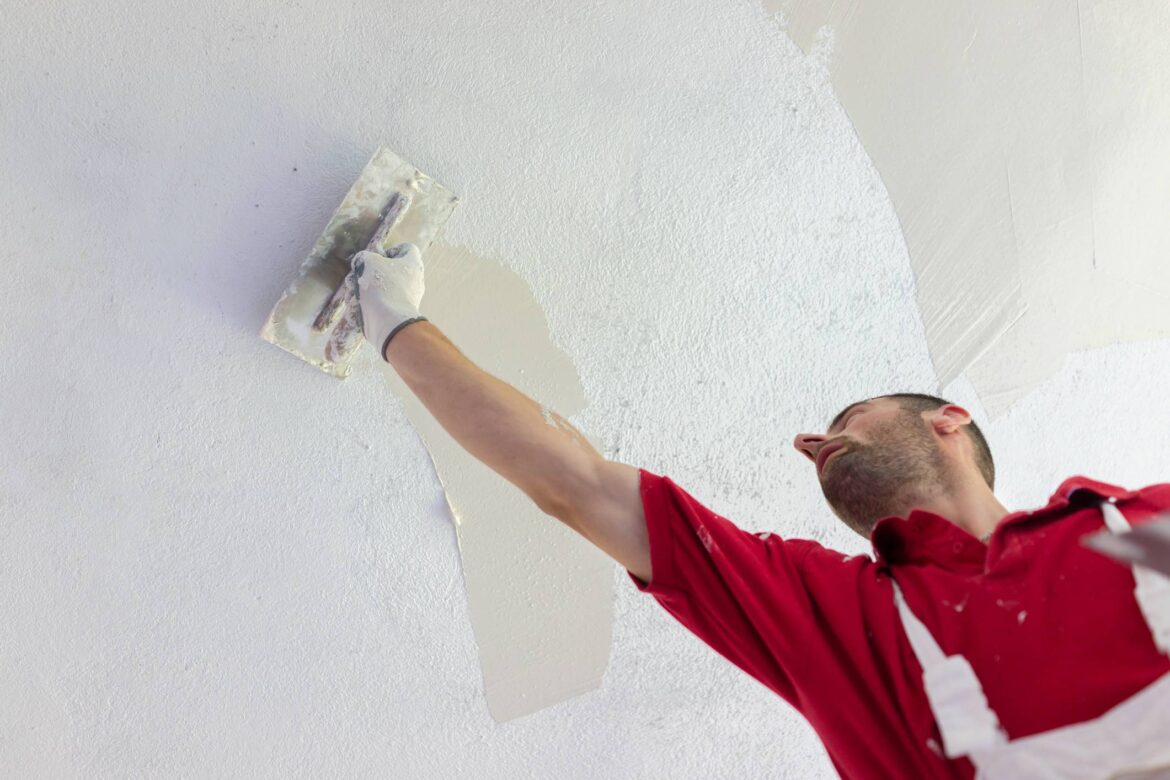
Unless the damage is extensive, it’s generally preferable to repair plaster walls rather than replacing them. Demoing and replacing is expensive and can detract from the historic integrity of your home.
Plastering is a skilled trade and particular care must be taken to get it right. Here are a few ways to tell that your plasterer is doing a good job.
Color
As plaster walls age, the color changes in the natural clay components of the plaster. Some of these color shifts are beautiful and contribute to the unique look that clients seek. Others are less desirable and can cause damage over time.
The good Stallion Plastering – Crosby Plasterers will take a few samples of the wall for analysis to determine what type of plaster was used in the past. They can also do the pushpin test, which involves poking a pin into the wall to see how easily it leaves a mark.
This helps to determine whether the masonry is made from hydrated or slaked lime. It is important that the sand used for the mortar is sieved, as this ensures the quality of the plaster. It is also important that the plasterers maintain a consistent skim coat thickness throughout the room. This can be checked using a spirit level and an aluminium straight edge. This can help to make sure that the wall is flat.
Texture
The texture of plaster walls is a good indicator of their quality. When a plaster coat is smooth and fine, it’s likely high-quality. If it is coarse and rough, the wall may need to be re-plastered or re-textured.
You can also check the quality of a plaster by examining the way it cracks. Plaster cracks tend to be a little more erratic than drywall cracks, and they can also be more dramatic. Diagonal or horizontal cracks indicate structural problems that should be repaired as soon as possible.
Another simple test is to use a pushpin on the surface of the wall. If the pin easily pierces the wall, it’s probably drywall and not plaster. If the pushpin scratches the surface, the plaster is not fully cured and will need more time to dry before painting or wallpapering. You can also use the Mohs hardness test to confirm that the plaster is cured. The harder the material, the more it has cured.
Durability
While drywall walls can be constructed using different materials, plastering is a much more traditional building technique. It has been used for thousands of years and is known for being very durable.
Plaster is usually made with a combination of sand and cement, but it also contains lime and clay in some recipes. These ingredients create a more sustainable wall finish that looks good and can last for a long time.
The acoustics of plaster walls are also better than drywall. This is because it is a thicker material that has more mass, which helps to absorb sound. It also helps that plaster walls are often held in place by lath, which further adds to the acoustics of the space.
However, plaster walls can be more prone to stress fractures if they are not installed correctly. This is why it is important to hire a professional to do the work. This will ensure that the plaster is properly applied and cured.
Aesthetics
When done right, plaster looks much more finished than drywall. It’s hard, durable and lends a warm, timeless quality to any space. It’s also better for soundproofing than drywall, as it is more solid and tightly bonded to the wall frame.
Working with plaster requires a lot of coordination and precise movements. You have to move quickly enough to avoid mistakes, but not so fast that the plaster begins to dry before you’re done.
Plastering walls is best left to professionals, but it’s possible for homeowners to get a good result with a little practice. Start by cleaning the surface of the wall to remove dirt and debris. Use a stiff-bristled brush to scrub the entire surface, paying special attention to areas that may have heavy buildup. Next, wipe the wall down with a damp cloth to remove any remaining dust. Finally, prime the wall and repair any cracks or damaged spots. Then, start plastering with a trowel or handheld float.