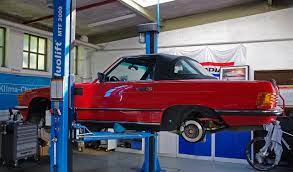
In the pursuit of peak performance and sustainability, regular diesel engine tune-ups play a pivotal role. The benefits extend far beyond the immediate satisfaction of a well-running engine; they reach into the broader scopes of cost savings, environmental responsibility, and the longevity of the vehicle. This article delves into the integral benefits of maintaining a strict tune-up schedule for diesel engines, focusing on improved fuel efficiency and reduced emissions.
Understanding Diesel Engine Mechanics
To appreciate the benefits of diesel tune-ups, one must first understand the unique mechanics of diesel engines. Unlike their gasoline counterparts, diesel tune ups rely on compression ignition rather than spark ignition. This difference significantly affects their operation, maintenance needs, and the benefits derived from regular tune-ups.
Enhanced Fuel Efficiency
Optimal Engine Performance
Regular tune-ups ensure that each component of the diesel engine is working at its best. When fuel injectors, air filters, and other engine parts are clean and functioning correctly, the engine can achieve optimal combustion. This efficiency translates directly into better mileage, meaning more distance covered per gallon of diesel.
Cost Savings Over Time
Fuel is a significant expense for any diesel-powered vehicle, particularly for commercial fleets. Enhanced fuel efficiency means less money spent at the pump. Over time, the savings can be substantial, effectively paying for the tune-ups through reduced fuel costs.
Preventing Future Problems
A tune-up often catches small issues before they become major problems. For example, replacing a clogged filter is a simple task, but ignoring it can lead to reduced fuel flow, poor performance, and eventually, engine damage. Regular maintenance avoids these costly repairs and keeps the engine running efficiently.
Reduced Emissions
Impact on the Environment
Diesel engines have a reputation for producing higher levels of emissions compared to gasoline engines, particularly in terms of NOx and particulate matter. Regular tune-ups can significantly reduce the number of these harmful emissions, contributing to a cleaner, healthier environment.
Meeting Emission Standards
With stringent emission regulations globally, keeping a diesel engine finely tuned is essential to remain compliant. Regular maintenance ensures that emission control systems, such as EGR (Exhaust Gas Recirculation) and DPF (Diesel Particulate Filter), are in good working order, helping to avoid fines and penalties associated with non-compliance.
Public Health Benefits
Reduced emissions from diesel engines also mean improved air quality. This has direct public health benefits, reducing the incidence of respiratory problems and other health issues associated with poor air quality.
Extending Engine Life
Reducing Engine Wear
During a tune-up, mechanics can identify and correct issues that may lead to engine wear. This includes the use of high-quality engine oils, which provide better lubrication, reduce friction, and decrease the wear and tear on engine components over time.
Maintaining Engine Value
A well-maintained engine retains its value longer than one that has been neglected. For commercial vehicles and heavy machinery, this can have a significant impact on the resale value or trade-in options.
Conclusion
The benefits of regular diesel engine tune-ups cannot be overstated. From improved fuel efficiency to reduced emissions, the advantages are clear. By ensuring that your diesel engine receives these vital services, you are not only enhancing its performance and longevity but also contributing to a greener, more sustainable future.
Final Thoughts
It’s evident that the role of regular diesel engine tune-ups goes beyond basic vehicle upkeep. It’s a responsible practice that benefits the owner, the public, and the environment. Keeping a diesel engine in top condition is a commitment to operational excellence and ecological stewardship. When considering the long-term advantages, the investment in regular tune-ups is negligible compared to the extensive benefits gained.