In the ever-evolving world of construction, the choice of building materials plays a pivotal role in the durability, energy efficiency, and overall sustainability of structures. High-performance building materials, designed to exceed conventional standards, have gained prominence in recent years. These materials offer a wide range of benefits that go beyond conventional options. In this article, we will delve into the advantages of using high-performance building materials in various construction projects.
Enhanced Durability and Longevity
One of the primary advantages of high-performance building materials is their exceptional durability. These materials are engineered to withstand wear and tear, environmental stresses, and the test of time. This durability translates to a longer lifespan for the building CSS Facades, reduced maintenance requirements, and lower long-term costs.
Materials such as fiber cement cladding, metal roofing, and engineered wood products are known for their resistance to corrosion, weathering, and insect damage. When used in construction, they can extend the life of a building, reducing the need for frequent repairs and replacements.
Improved Energy Efficiency
Energy efficiency is a critical consideration in modern construction. High-performance building materials often incorporate advanced insulation properties and reflective technologies. These features help maintain comfortable indoor temperatures and reduce energy consumption, resulting in lower utility bills and a reduced carbon footprint.
For instance, cool roofing materials are designed to reflect more sunlight and absorb less heat, reducing the need for excessive cooling in hot climates. High-performance insulation materials like spray foam insulation and vacuum insulation panels minimize heat transfer, ensuring energy efficiency throughout the building’s life.
Sustainability and Environmental Responsibility
Sustainability is at the forefront of modern construction practices, driven by the need to address environmental challenges such as climate change and resource depletion. High-performance building materials are aligned with sustainable construction goals in several ways:
Recycled Content: Many high-performance materials incorporate recycled content, reducing the demand for virgin resources and diverting waste from landfills. This promotes a circular economy and conserves natural resources.
Energy Savings: The energy-efficient properties of high-performance materials contribute to reduced energy consumption. Lower energy use translates into decreased greenhouse gas emissions, making buildings more environmentally responsible.
Durability and Longevity: The durability of these materials ensures that buildings remain functional for an extended period. Longer-lasting structures require fewer resources and less energy for repairs and replacements.
Sustainable Certifications: High-performance materials often come with sustainability certifications, such as LEED (Leadership in Energy and Environmental Design) or Energy Star, which validate their environmental performance.
Enhanced Indoor Comfort
High-performance building materials contribute to improved indoor comfort for building occupants. Effective insulation and air sealing properties help maintain consistent indoor temperatures, reducing drafts and heat loss in winter while preventing heat gain in summer.
In industrial and commercial settings, high-performance acoustic insulation materials can reduce noise levels, creating a safer and more comfortable working environment. Employees in well-insulated buildings experience improved productivity and well-being.
Reduced Maintenance Requirements
High-performance materials are engineered to be low-maintenance, which is particularly advantageous for building owners and managers. Reduced maintenance requirements translate to cost savings over the life of the building.
For example, metal roofing systems, known for their durability, require minimal maintenance to remain in optimal condition. Fiber cement cladding and composite cladding materials resist weathering and typically need less maintenance compared to traditional options like wood or brick.
Enhanced Safety Features
High-performance building materials often come with built-in safety features. Fire resistance is a critical aspect, especially in commercial and industrial settings. Many high-performance materials, such as insulated concrete forms (ICFs) and fire-resistant insulation, offer superior fire protection, safeguarding the structural integrity of the building and the safety of occupants.
Moreover, some materials are designed to withstand extreme weather events, such as hurricanes or earthquakes, providing added security in regions prone to natural disasters.
Design Flexibility and Aesthetic Appeal
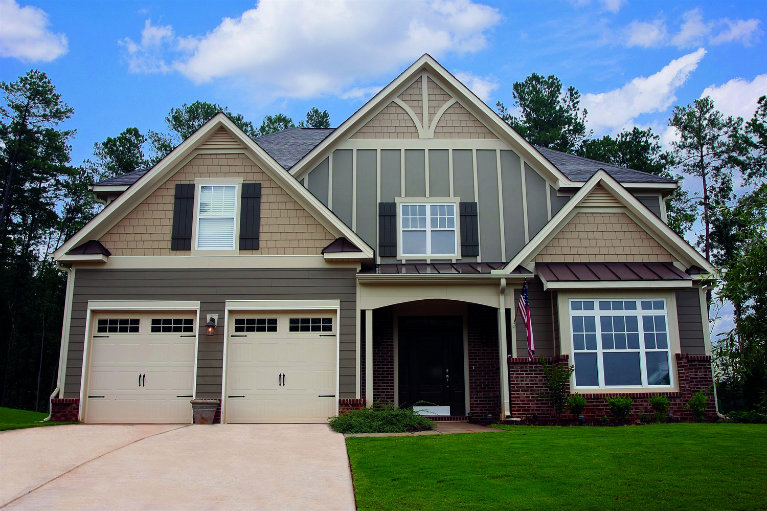
High-performance building materials offer design flexibility and aesthetic appeal, allowing architects and builders to create structures that meet both functional and aesthetic requirements. These materials come in a variety of finishes, colors, and designs, making it possible to achieve a wide range of architectural styles.
For instance, fiber cement cladding can mimic the appearance of wood, stone, or brick, offering the desired aesthetic without compromising durability. Metal roofing systems can be customized to suit a building’s design, whether it’s a modern office building or a historic restoration project.
Compliance with Building Codes and Standards
High-performance building materials are designed and tested to meet or exceed building codes and industry standards. Compliance with these regulations ensures that structures are safe and functional. Using these materials can simplify the construction process, as they are less likely to encounter regulatory hurdles.
Materials like structural insulated panels (SIPs) are engineered to meet stringent structural requirements, making them an excellent choice for both residential and commercial projects. Additionally, the adoption of high-performance materials can contribute to achieving green building certifications, further enhancing a building’s value and sustainability.
Conclusion
The benefits of using high-performance building materials are substantial and extend to various aspects of construction. From enhanced durability and energy efficiency to sustainability and improved indoor comfort, these materials are transforming the construction industry. Their low-maintenance requirements, safety features, and design flexibility make them a practical choice for both residential and commercial projects.
As the construction industry continues to evolve, high-performance building materials will play an increasingly significant role in creating structures that are not only resilient and energy-efficient but also environmentally responsible. Whether you’re a homeowner, architect, builder, or property manager, considering high-performance materials for your next project can result in a more durable, cost-effective, and sustainable building.