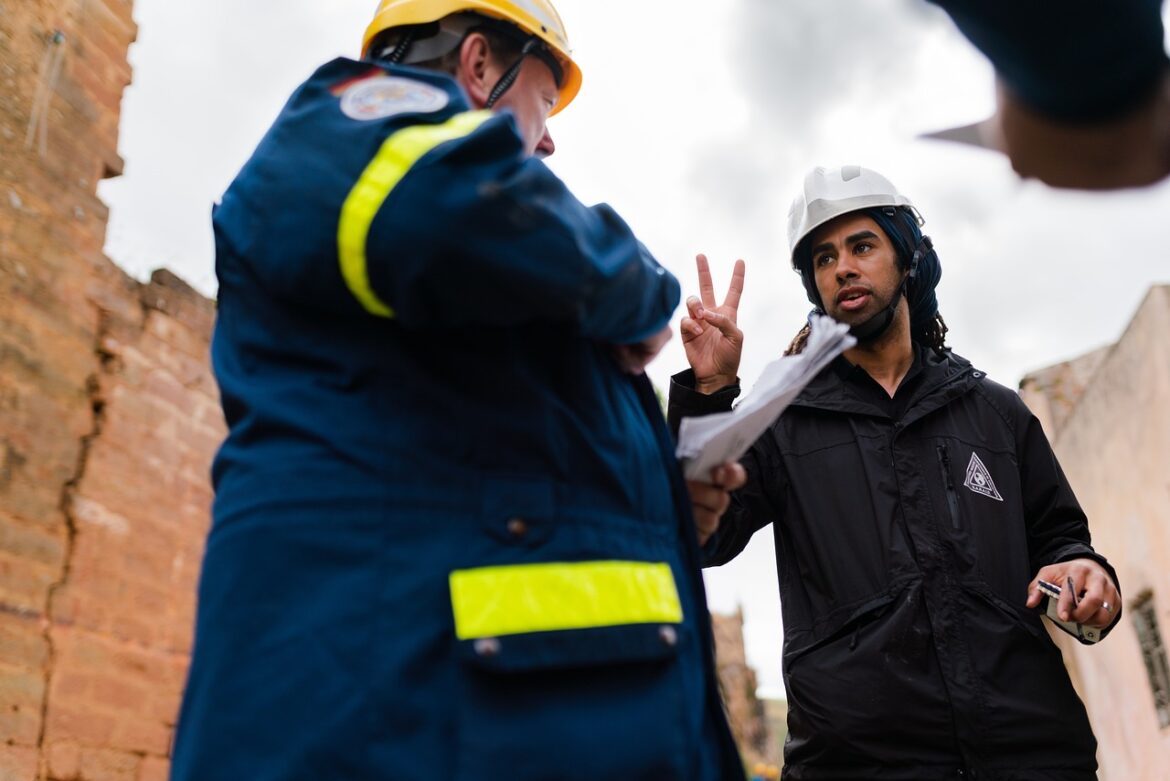
Geotechnical engineers are vital professionals in the field of civil engineering who specialize in understanding and managing the behavior of soil and rock materials. They play a crucial role in the design, construction, and maintenance of various infrastructure projects, ensuring the stability, safety, and durability of structures. In this article, we will explore the responsibilities and tasks that geotechnical engineers undertake in their work.
1. Site Investigation and Geotechnical Characterization
One of the primary responsibilities of geotechnical engineers is to conduct site investigations and assess the geotechnical characteristics of the ground anchor. They collect soil and rock samples, perform laboratory tests, and analyze data to understand the properties and behavior of the subsurface materials. This information is critical for designing appropriate foundations, evaluating stability, and identifying potential geotechnical hazards.
2. Foundation Design and Analysis
Geotechnical engineers are responsible for designing and analyzing foundations for various structures. They evaluate the soil conditions, including strength, compressibility, and bearing capacity, to determine the most suitable foundation type. Through calculations and analysis, they ensure that the foundations can safely support the loads imposed by the structures, such as buildings, bridges, and dams.
3. Slope Stability Analysis and Landslide Mitigation
Assessing and managing slope stability is an important task for geotechnical engineers, especially in hilly or mountainous regions. They evaluate the geotechnical conditions of slopes, including soil properties, groundwater levels, and geological features, to determine the stability of the slopes. Geotechnical engineers design and implement measures to mitigate landslide risks, such as slope reinforcement, drainage systems, and retaining structures.
4. Earthworks and Excavation Support
Geotechnical engineers provide expertise in earthworks and excavation support. They assess soil properties, evaluate the stability of excavated slopes, and design appropriate support systems to prevent slope failures during construction. This involves analyzing factors such as soil strength, water pressures, and excavation methods to ensure the safety of workers and the stability of the surrounding areas.
5. Ground Improvement and Soil Stabilization
In cases where the existing soil conditions are not suitable for construction, geotechnical engineers employ ground improvement techniques and soil stabilization methods. They design and implement measures to enhance the properties of the soil, such as compaction, grouting, or the use of geosynthetic reinforcements. These techniques improve the strength, stability, and load-bearing capacity of the soil, making it suitable for construction.
6. Geotechnical Instrumentation and Monitoring
Geotechnical engineers utilize instrumentation and monitoring systems to assess the performance of structures and monitor geotechnical conditions. They install sensors and instruments to measure factors such as settlements, pore water pressures, and vibrations. By analyzing and interpreting the data, geotechnical engineers can detect potential issues, evaluate the behavior of structures, and implement necessary measures for maintenance and safety.
7. Geotechnical Analysis and Numerical Modeling
Geotechnical engineers employ various analysis and modeling techniques to understand and predict the behavior of geotechnical systems. They use analytical methods, numerical models, and software tools to simulate and analyze complex geotechnical problems. These analyses help in the design of foundations, slope stability assessment, and risk evaluation, allowing engineers to make informed decisions in their projects.
8. Collaboration and Consultation
Geotechnical engineers collaborate with other professionals, including civil engineers, structural engineers, architects, and construction teams. They provide consultation and guidance regarding geotechnical aspects of projects, ensuring that geotechnical considerations are integrated into the overall design and construction process. Collaboration allows for interdisciplinary coordination and the development of optimal solutions.
Conclusion
Geotechnical engineers are essential professionals in the field of civil engineering, responsible for assessing the behavior of soil and rock materials and ensuring the stability and safety of infrastructure projects. Through site investigations, foundation design, slope stability analysis, earthworks support, ground improvement, monitoring, and collaboration, geotechnical engineers contribute to the successful completion of projects and the long-term performance of structures. Their expertise and knowledge of geotechnical principles play a vital role in creating a safe and sustainable built environment.